Retour au catalogue
Conférences
37 conférences pour comprendre les biais cognitifs, la démarche scientifique et développer l'esprit critique.
Les biais du cerveau
Cycle de conférences visant à comprendre comment nous pouvons agir de manière irrationnelle, peu importe notre niveau d'intelligence ou d'éducation. À travers diverses situations de la vie courante, nous explorerons les différents biais de raisonnement à l'origine de ces erreurs et présenterons quelques outils pour s'en prémunir.
Les illusions de perception
Découverte de l'effet Barnum
Comment nos croyances façonnent notre réalité
Biais cognitifs et traitement de l'information
Pour une psychologie scientifique
La psychologie est une discipline scientifique, c'est un fait. Mais de nombreux domaines en reprennent les codes sans en avoir la rigueur ou l'éthique. Nos recherches sur le sujet visent à améliorer la capacité à discerner les pratiques valides des pseudo-sciences.
HPI, Zèbre, Autisme...
S'y retrouver dans les catégories psy
Déconstruire les mythes autour de l'intelligence
Le mythe des faux souvenirs induits

Les mystères de l'effet placebo
La liberté de penser par soi-même
Sommes-nous vraiment les auteurs de nos choix et de nos idées ? Cette catégorie explore les tensions entre autonomie, influence et créativité. À travers des conférences mêlant philosophie, sciences cognitives, sociologie et histoire, nous interrogeons ce que signifierait « penser librement », l'origine de nos idées, et comment se produit l'acte de créer.
Le libre arbitre entre déterminisme et liberté
Chaînes invisibles
Au-delà des génies et des idées révolutionnaires
Esprit critique et création intellectuelle
Histoire des idées et scepticisme
Les courants de pensée philosophique qui ont nourri la science sont nombreux, mais deux d'entre elles se démarquent : le scepticisme et le rationalisme. Encore aujourd'hui, des débats foisonnants permettent d'aller toujours plus loin sur notre manière de penser le monde grâce aux concepts scientifiques... Ces conférences vous proposent des manières originales de traverser l'histoire des idées.

Les deux familles du scepticisme
Quand la société influence les sciences
Nouveau
Se méfier des définitions médiatiques
Ce qui se cache derrière le concept de populisme
Science, intelligences croisées et démarche critique
Et si la science n'était pas une accumulation de certitudes, mais un chemin semé d'erreurs, de collaborations et de points de vue multiples ? Cette catégorie met en valeur les dimensions collectives, critiques et interconnectées de la science : comment on traite des données, comment on corrige ses erreurs, et comment on rend ces savoirs intelligibles à tous. À travers ces conférences, on découvre la science comme une aventure humaine, critique, imparfaite – et donc profondément vivante.

Nouveau
Ce que les enfants nous apprennent sur la pensée critique
Enfants & Adultes : Qui apprend de qui ?

Une démarche plus qu'un résultat
Science et erreurs
Données, territoire, environnement
Faire émerger du sens et de l'intelligence
Penser l'intelligence et le dialogue humains-machines
Et si les machines ne faisaient pas que nous imiter, mais nous révélaient aussi ? Cette catégorie propose un regard critique sur l'intelligence artificielle, en miroir de notre propre façon d'apprendre, de raisonner et de créer. Entre expériences philosophiques, réflexions techniques et exploration cognitive, ces conférences interrogent les liens entre erreur, conscience, créativité et intelligence augmentée, pour mieux penser ce que signifie... penser.
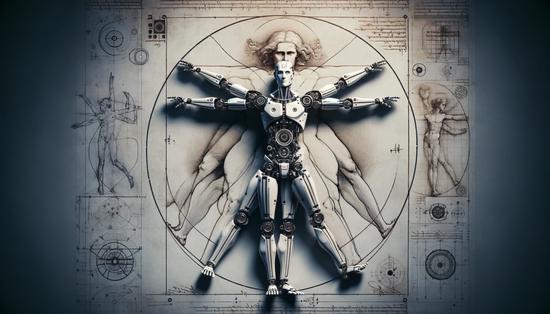
Au-delà des stéréotypes
IA & Humains – Qui apprend de qui ?
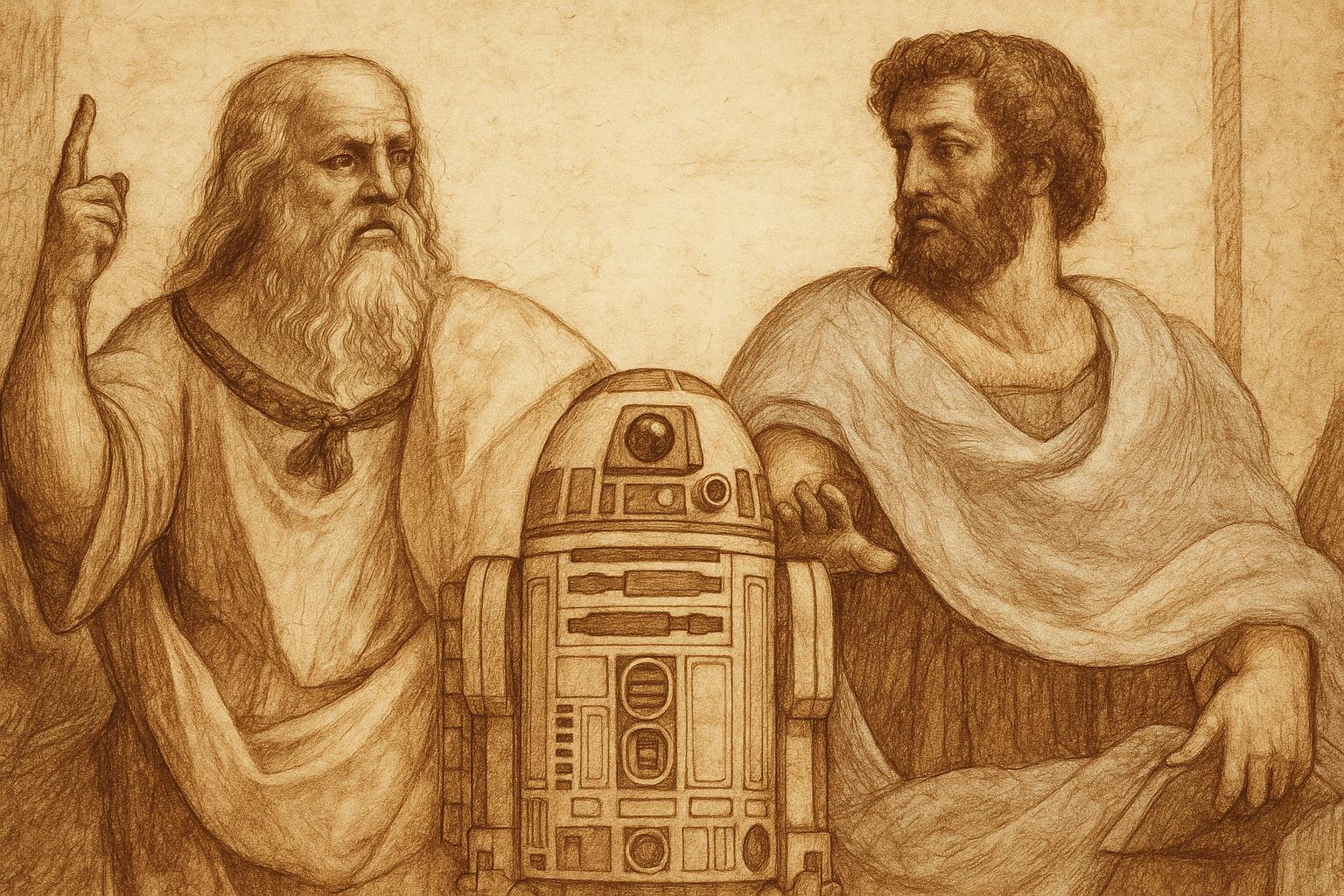
Vers une intelligence augmentée ?
Penser avec les machines
Enjeux des IA
La révolution que nous fait vivre l'arrivée des Intelligences artificielles dans nos vies doit nous questionner sur le monde que nous souhaitons. Il faut d'abord comprendre ce que sont réellement les IA, et surtout quels sont les défis éthiques qu'il nous faudra politiquement traiter dans les années qui viennent.

Nouveau
Défis et solutions pour l'avenir
Construire une IA éthique ?

Exemple du travail
L'Intelligence Artificielle est-elle une révolution pour l'humanité ?
Déconstruisons l'idéologie des géants du numérique
Les défis de l'information
Dans un monde où l'information est omniprésente, il est crucial de comprendre comment notre esprit traite cette information et comment les médias influencent notre perception de la réalité. Ces conférences explorent le paysage médiatique contemporain, ainsi que les biais cognitifs et les défis de l'esprit critique à l'ère d'Internet et de la désinformation.
L'accès à l'information à l'ère d'Internet

Nouveau
Comment les médias (mal)traitent la science ?
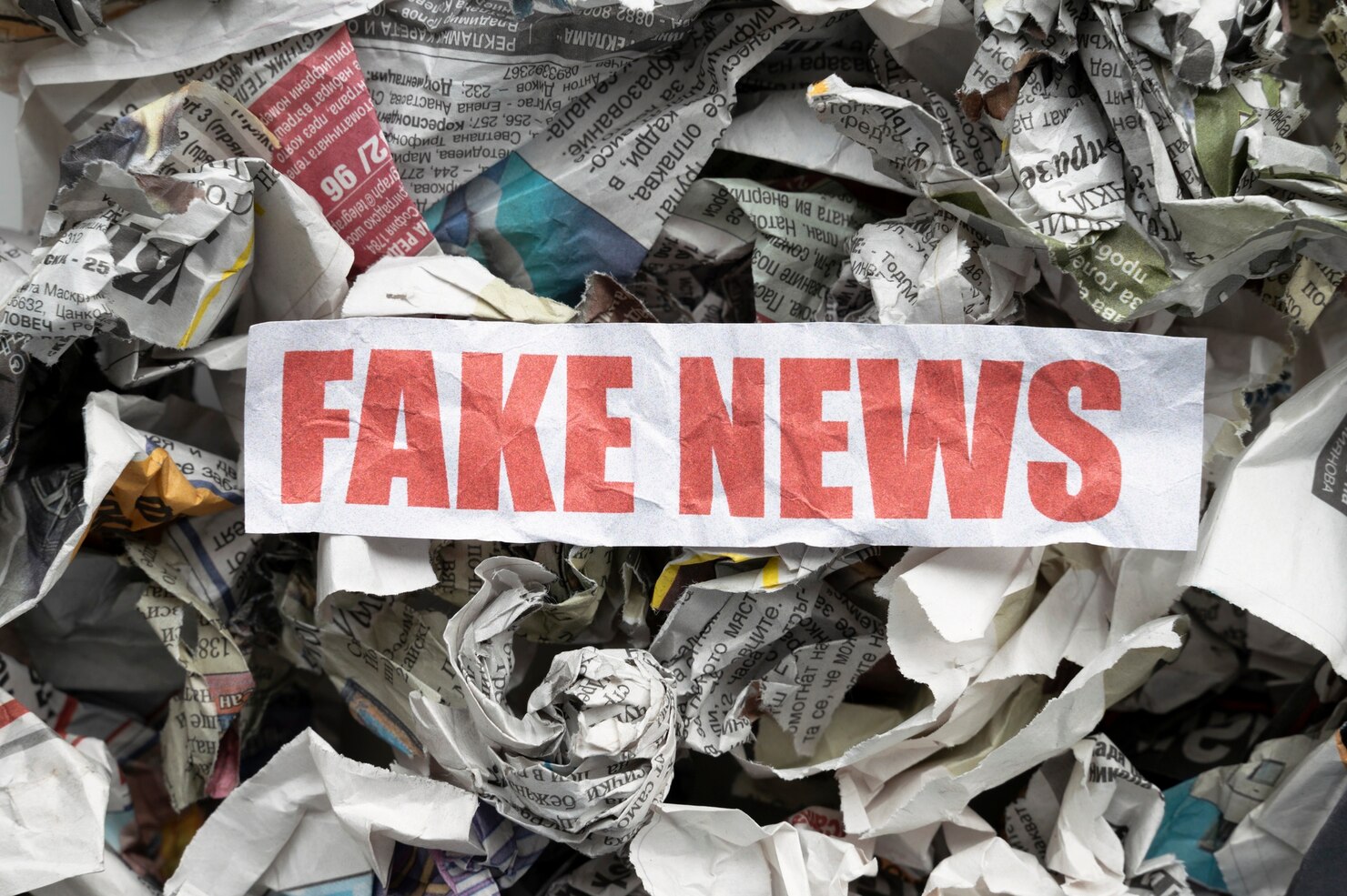
Outils et stratégie dans une époque de désinformations
Une autre approche des questions socio-scientifiques
Les questions socio-scientifiques sont des questions d'actualité qui demandent à la fois des connaissances scientifiques et politiques. Nous relevons le défi de les aborder sans essayer de tronquer un débat sur un aspect qui nous arrangerait.

Point sur la communication égalitaire
L'influence du langage sur nos pensées

Regard critique sur la rhétorique judiciaire dans les VSS
Procès des viols de Gisèle Pelicot
Éclairer le débat politique
Et si on changeait notre manière de voir la politique ? Cette série vous propose des conférences participatives pour explorer de nouvelles façons d'appréhender les débats politiques. Notre association travaille à ce que chaque citoyen puisse s'approprier plus facilement l'actualité qui les concerne.

Nouveau
Atelier interactif
Décrypter les techniques rhétoriques dans le discours politique

Comment évaluer l'efficacité d'une politique publique ?

Nouveau
Pourquoi autant de mythes sont-ils associés à la science économique ?

Nouveau
Est-ce une bonne idée d'aller écouter des opinions qui nous contredisent ?
Un autre regard sur les militants
Il existe beaucoup d'idées reçues sur les militants politiques, comment le fait d'être partisan d'une cause peut altérer notre discernement, voir réduire notre esprit critique. En parcourant plusieurs disciplines, il semble qu'un examen rigoureux permette de contredire beaucoup de ces clichés, parfois de manière subtile. Ces conférences vous feront découvrir plusieurs de ces recherches, à l'interface des sciences et des débats politiques.

Nouveau
Une réponse scientifique
« Les extrêmes se rejoignent » ?

Certaines idéologies prédisposent-elles au manque de pensée critique ?

Nouveau
Les militants sont-ils plus « irrationnels » que les autres ?
Pseudo-sciences énergétiques
Tant d'autres disciplines se font passer pour des sciences sans en avoir la rigueur, les méthodes qui garantissent les résultats robustes. Voici encore quelques sujets ayant été investigué par nos soins. Nous verrons que ces pseudo-sciences se basent souvent sur de vraies théories scientifiques, mais en les appliquant à des terrains inadaptés.

Comprendre les réalités et dissiper les illusions sur la mécanique quantique

Nouveau
Transurfing et développement personnel

Nouveau
Enquête sur la communication animale

Nouveau
Expérience des pots de riz / M. Emoto